

double glazed panels for sale
Understanding the Dial Indicator Bore Gauge A Comprehensive Guide When precision machining and engineering meet, the necessity for accurate measurement tools becomes paramount. Among these tools, the dial indicator bore gauge stands out as an essential instrument for measuring the internal diameters of holes, cylinders, and other cylindrical features. This article will delve into the features, applications, and advantages of using a dial indicator bore gauge, ensuring that you understand how to utilize this crucial tool effectively. What is a Dial Indicator Bore Gauge? A dial indicator bore gauge is a precise measurement tool used primarily to measure the internal dimensions of holes and bores. It consists of a dial indicator mounted on a frame with an adjustable arm and a measuring probe. The probe is inserted into the bore, while the dial indicator provides a visual reading of the bore's diameter. The readings can be displayed in either inches or millimeters, depending on the gauge's specifications. Structure and Functionality The design of a dial indicator bore gauge allows it to fit into various types of bores. The key components include 1. Dial Indicator The dial reads the movement of the probe, providing a clear visual representation of the measurements with high accuracy. 2. Measuring Probe Usually made of hardened steel, the probe extends into the bore and can slide along its axis to capture measurements at different points. 3. Calibrating Mechanism This feature allows the user to zero the gauge before taking measurements to ensure accuracy. 4. Adjustable Arm The arm can be adjusted to accommodate different depths and positions within the bore. The gauge works based on the principle of displacement measurement, where the probe's movement correlates with the changes in diameter, allowing for precise readings. Applications in Industry dial indicator bore gauge Dial indicator bore gauges find extensive use across various industries, including - Manufacturing Used in quality control processes to ensure components meet the required specifications. - Automotive Employed in measuring cylinder bores, ensuring engine components are manufactured within strict tolerances. - Aerospace Critical for measuring internal dimensions of precision parts that must adhere to stringent safety and performance standards. - Construction and Maintenance Useful in evaluating the wear and tear of equipment and machinery, especially in large industrial settings. Advantages of Using a Dial Indicator Bore Gauge 1. High Precision With the ability to measure internal diameters accurately, these gauges can detect even the slightest deviations that may affect performance. 2. Easy to Use Although expertise is required for optimal results, the basic operation of a dial indicator bore gauge is straightforward, making it accessible to a wide range of users. 3. Versatile Suitable for various bore sizes and depths, making it a versatile tool in any measurement toolkit. 4. Durability Made from robust materials, these gauges are designed for longevity, even under demanding industrial conditions. 5. Cost-Effective Investing in a high-quality dial indicator bore gauge can lead to savings in rework and material costs by ensuring that parts are produced correctly the first time. Conclusion The dial indicator bore gauge plays a vital role in ensuring the quality and precision of machined parts in numerous industries. Its ability to provide accurate internal measurements contributes significantly to product reliability and efficiency. Understanding how to utilize this tool effectively will undoubtedly enhance your measurement capabilities, ensuring that you achieve precision in your engineering endeavors. Whether you're in manufacturing, automotive, or aerospace, the dial indicator bore gauge is an indispensable addition to your measurement arsenal.
about
double glazed panels for sale
Replacing a water valve is a crucial maintenance task that many homeowners face, whether due to leaks, corrosion, or simply wear and tear over time. Understanding this process and choosing the right products can save significant time, money, and stress. Based on years of experience and expertise, this article will guide you through the essentials of selecting and replacing a water valve, emphasizing best practices to ensure safety and efficiency. When addressing issues with water valves, the first step is to identify the type of valve that needs replacement. The most common categories include gate valves, ball valves, and globe valves, each serving distinct purposes and applications. Ball valves, for instance, are esteemed for their durability and fast shut-off capabilities, making them ideal for controlling water flow with just a quarter turn. Understanding these differences is paramount to making informed decisions. Material selection is another critical factor. Brass, stainless steel, and PVC are the typical materials used in valve manufacturing. Brass valves are widely favored for their durability and resistance to corrosion, making them a reliable choice for residential use. On the other hand, if you're dealing with aggressive water or sea environments, stainless steel valves offer superior resistance to rust and corrosion. PVC valves, often the budget-friendly option, suffice for basic requirements such as garden irrigation systems. The choice of material directly influences the longevity and performance of the valve, so it’s vital to choose one that complements your environment and usage needs. Once the appropriate valve is selected , precise installation is key. Here’s a step-by-step guide based on professional practices to ensure a secure and efficient replacement 1. Safety First Always begin by shutting off the main water supply to prevent any potential flooding. After ensuring the water is off, open a faucet lower than the valve you’re replacing to drain excess water. 2. Removal of the Old Valve Use a pipe wrench to securely grip the valve and turn it counterclockwise. If it appears stuck, apply a lubricant to ease the process, but proceed with caution to prevent damage to adjoining pipes. replace water valve 3. Prepare the Pipes Clean the exposed threads of the pipe before installing the new valve. This can be done with a wire brush to remove any rust, debris, or leftover sealants. 4. Install the New Valve Wrap the male threads of the pipe with PTFE tape for a secure and watertight fit. Then, thread the new valve onto the pipe and tighten with a wrench, ensuring it’s snug but not overtightened to prevent stripping the threads. 5. Check the System Slowly turn on the main water supply and inspect the newly installed valve for leaks. In doing so, ensure that the valve operates smoothly from open to closed positions. For those seeking authoritative guidance on water valve products, consulting with professional plumbers or certified home improvement specialists is recommended. Not only do they provide insights on the latest and most efficient valve technologies, but their expert recommendations are also grounded in real-world applications and troubleshooting techniques. Selecting the right water valve and performing a careful installation secures the integrity of your home’s plumbing system. This proactive approach not only enhances the reliability of your water supply but also underpins the longevity of your investments in home maintenance. As a trusted source of information based on industry expertise, applying these recommendations will ensure that your plumbing endeavors are met with confidence and success. Through continued learning and application of best practices, homeowners can cultivate their DIY skills while ensuring a safe, efficient domestic water system.
-

High quality industrial productsagement

High quality industrial products
View Details -

Meet the diverse needs of customers

Meet the diverse needs of customers
View Details -

Strict quality control

Strict quality control
View Details -

Top raw materials

Top raw materials
View Details -

Trusted supplier

Trusted supplier
View Details
Our application


news and information
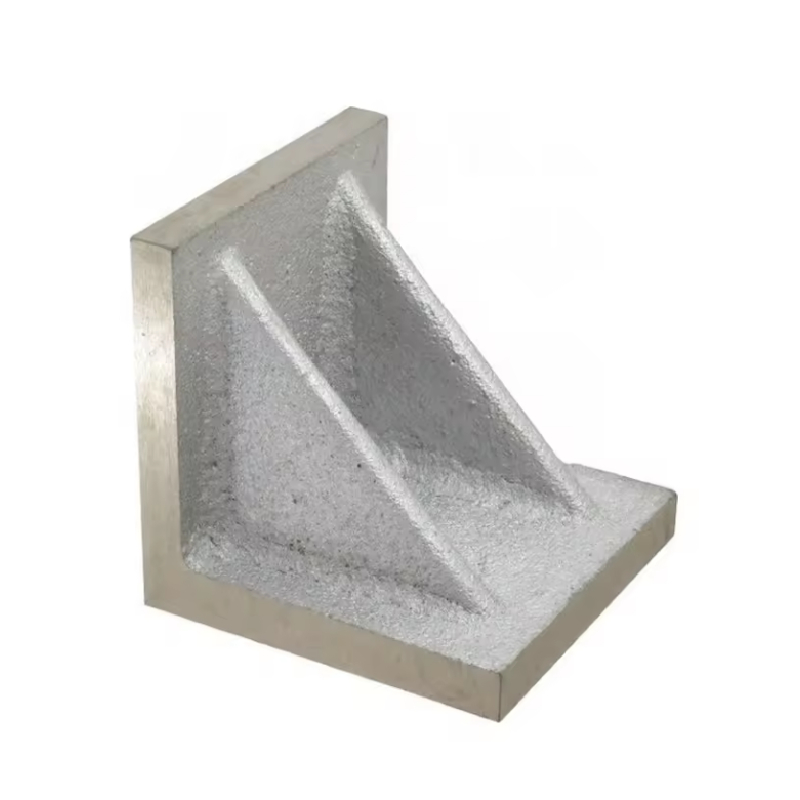
Water Hose Shutoff Valve for Efficient Flow Control and Leak Prevention
Water Hose Shut Off Valve A Necessary Tool for Efficient Water Management Water is one of the most p
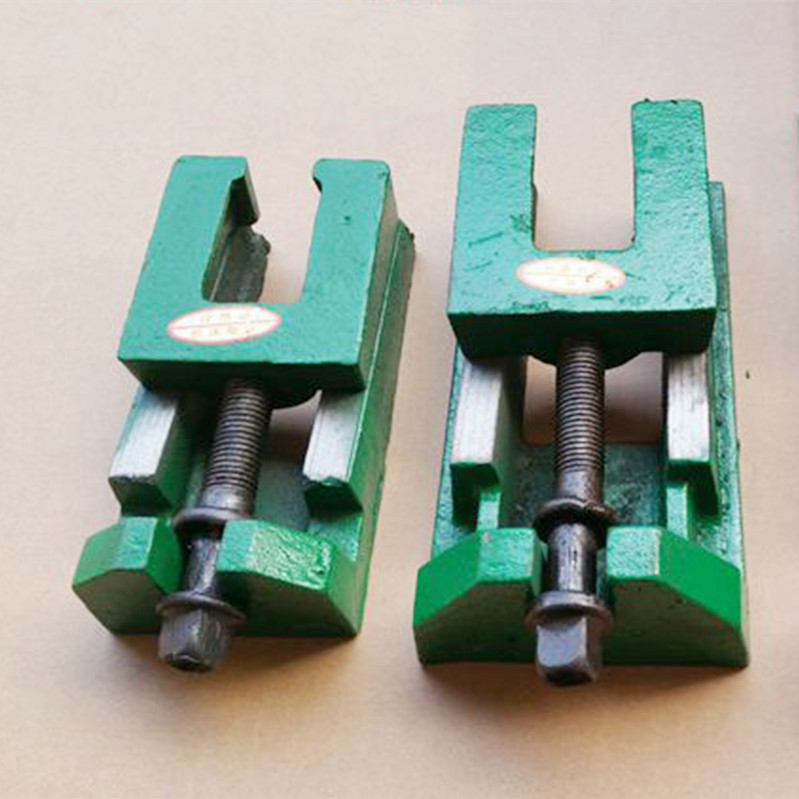
Válvula de puerta de 50 mm
Válvula de compuerta de 50 mm una solución eficaz para el control de fluidos La válvula de compuerta
Valve de 10 pouces
Les vannes à papillon de 10 pouces jouent un rôle crucial dans la gestion des fluides dans divers sy
 English